Meet the Makers of Slovenia’s New Craft Wave
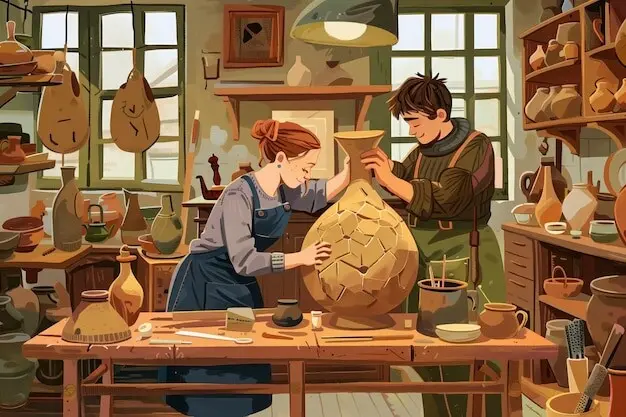
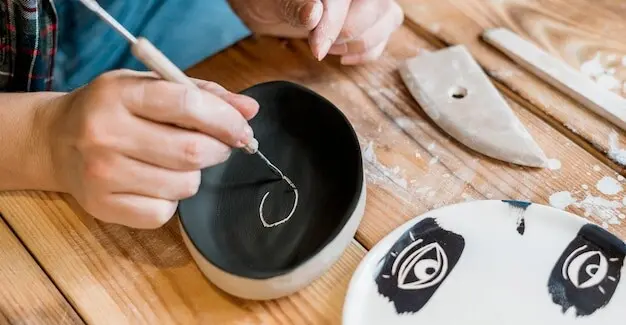
Step into Slovenia’s lively craft scene as we meet the makers shaping a new generation of work. Through intimate profiles of contemporary artisans in ceramics, wood, textiles, metal, and more, discover how personal histories, regional landscapes, and daring techniques converge to create objects with purpose, soul, and surprising modern relevance.

Hands, Heritage, and the New Slovenian Craft Movement

Across Slovenia, a quiet resurgence turns hand skills into living culture again. What once survived in village workshops now thrives in city studios, fueled by curiosity, environmental care, and a hunger for pieces that carry stories. From Idrija lace’s patient rhythms to Ribnica’s woodenware resilience, the past whispers guidance while the present asks for bolder, kinder ways of making.
Makers travel paths that mirror the country’s contours, gathering spruce-scented patience in mountain towns and entrepreneurial spark in riverside capitals. Many split weeks between family homes and shared studios, turning commutes into research, sketching glazes on trains, and finishing handles after dusk. Geography becomes collaborator, shaping intentions, tools, schedules, and the textures of finished work.
Designs begin with wood grain that asks for curved joinery, clay bodies demanding slower firings, and metal that prefers hammered arcs over rigid geometry. Makers listen to stubborn properties and let forms grow honestly. Instead of chasing passing fashions, they invest in respectful sourcing, structural integrity, and tactile pleasure, trusting that authenticity ages more gracefully than novelty.

Places That Shape Materials

Slovenia’s compact map holds multitudes, and materials reflect each region’s temperament. Karst limestone remembers ancient seas; Alpine forests grow slow, tight rings; river clays hold the warmth of centuries of hearths. Craftspeople harvest responsibly, read seasonal cues, and convert landscape memory into bowls, benches, lamps, and lace-like metals, letting location speak quietly through structure, finish, and feel.

Tools, Techniques, and Bold Hybrids

Makers blend chisels with CNC mills, bobbins with parametric scripts, and hand looms with custom-dyed yarns engineered for durability. Technology amplifies touch without replacing it, turning prototypes faster while leaving final decisions to fingers and eyes. This balanced approach invites experimentation, reduces waste, and reveals forms impossible without both the steadfast heartbeat of handwork and precise digital fluency.

Bobbin Lace Meets Code

Idrija’s lace grammar—twists, crossings, and pins—translates into algorithmic studies that stretch patterns across lampshades and room dividers. Artisans simulate tension digitally, then return to bobbins for resilient, human irregularity. The result feels simultaneously airy and grounded, an architecture of thread that reimagines heritage as spatial ornament, filtering light, guiding sightlines, and lending interiors a breathable cadence.

The Gentle Argument Between Hand and Machine

CNC routers carve repeatable blanks, but hands resolve edges, weight, and warmth. Makers welcome this friendly argument: machines promise efficiency, while palms deliver character. In practice, workflows reduce material waste, increase repairability, and preserve time for finishing. Pieces exit the shop carrying crisp geometry softened by care, as if precision learned to relax and listen.

Inside the Studio Doors

Profiles unfold as conversations about decisions, detours, and the music each artisan plays while working. We notice rituals—morning tea, test tiles, tool sharpening—and hear about mentors who offered courage. These portraits reveal not only objects, but lives stitched together with deadlines, markets, experiments, setbacks, and luminous moments when a curve finally clicks into belonging.

A Ceramist Who Measures Time in Firings

She swears a kiln hum can steady nerves better than coffee. Her notebooks track glaze crazing like weather diaries, and she keeps one imperfect bowl visible to remember patience. When a customer writes that breakfast feels calmer from her plates, she smiles, realizing utility can comfort as deeply as art, especially when every rim records intention.

A Woodworker Who Carves Silence

He chooses timber with stories—storm-felled beech, orchard apple from a neighbor’s tree—then designs furniture that keeps knots like constellations. Classical joinery anchors pieces while hidden brass details nod to modern life. His favorite review wasn’t public; it was a message saying a bench helped a grieving family gather, sit closer, and breathe through difficult news together.

A Metal Artist Who Forges Light

She treats steel like fabric, coaxing bends that carry shadows along walls at dusk. Recycled offcuts become earrings balanced like tiny mobiles. During winter exhibitions, visitors touch cool surfaces and grin, surprised by delicacy in stubborn material. Her process accepts sparks and scars, trusting that refinement often begins where the metal first resisted and sang.

Sustainable Paths and Honest Business

Behind every object stands an ecosystem of sourcing, pricing, packing, and promises. Makers tally hours transparently, choose local suppliers where possible, and design for repair over replacement. They photograph processes, invite questions, and publish care guides, believing trust forms when nothing is hidden. Sustainability becomes practice, not slogan, measured across seasons, receipts, relationships, and returned pieces.

Pricing That Respects Hours and Hands

Calculating a fair price includes labor, tooling, prototypes, studio rent, and the risk of imperfect batches. Artisans share breakdowns openly, inviting buyers to see more than a number. When customers understand the arithmetic of craft, conversations shift from haggling toward partnership, honoring dignity, enabling living wages, and funding experiments that lead to better, longer-lasting objects.

From Local Supply Chains to Global Shelves

Digital storefronts extend a workshop’s reach, but logistics must protect both objects and planet. Many choose recycled packaging, slower shipping when practical, and consolidated deliveries to reduce emissions. Partnerships with galleries and design shops balance visibility and margins. Each decision navigates fragile thresholds—affordability, fairness, timeliness—while preserving the maker’s voice across languages, currencies, and customs forms.

Care, Repair, and the Promise of Longevity

Durability starts at the sketchbook, with joinery that ages gracefully and finishes easy to refresh. Makers publish care rituals, invite pieces back for mending, and occasionally redesign components to be replaceable. Customers join the cycle by oiling wood, washing gently, and celebrating patina. Long after purchase, the relationship continues, measured in meals shared and stories gathered.
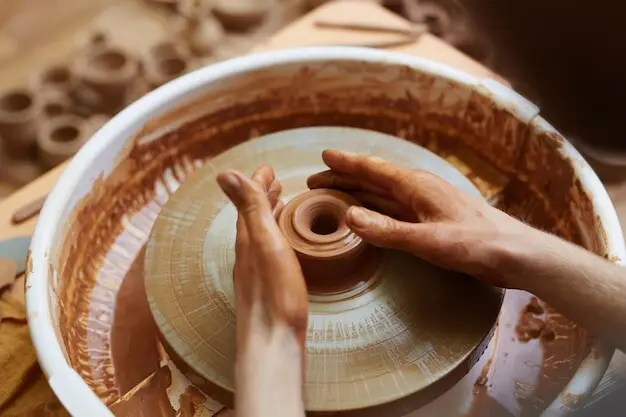
A Weekend Across Lace, Wood, and Salt
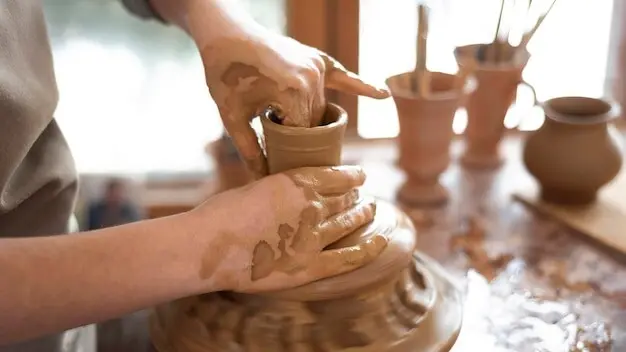
Begin with lace demonstrations in a historic town, continue through a forest workshop where shavings snow onto boots, and finish near coastal salt pans glowing at sunset. Each stop invites conversation and touch. Bring questions, time, and a tote for treasures, remembering purchases help studios pay rent, apprentices learn, and traditions find fresh, responsible futures.

Festivals, Markets, and Open Studios

Seasonal markets cluster along riverbanks and squares, where tents shelter kilns, looms, and friendly arguments about finishes. Open studio days reveal prototypes, misfires, and hard-won victories. Arrive early, listen well, and ask for care tips. Sign mailing lists, follow process journals, and share discoveries with friends, building a circle that keeps makers visible, solvent, and hopeful.
Varoravonarisanolivozavo
Privacy Overview

This website uses cookies so that we can provide you with the best user experience possible. Cookie information is stored in your browser and performs functions such as recognising you when you return to our website and helping our team to understand which sections of the website you find most interesting and useful.